
|
Spoiler alert: it’s more than just communication issues. Sure, communication—or lack thereof—plays a role, but this is deeper.
It’s that kind of confusion that makes you want to either throw the whole relationship in the trash or teleport back to the past, yelling at your younger self to stop the whole thing before it even started because—hello—you missed all the red flags.
Yes, the confusion didn’t just show up overnight. It didn’t suddenly pop out of nowhere like a bad plot twist. It’s been brewing quietly in the background, even during the good times. It’s not loud or obvious at first, but over time, it grows roots—roots made up of stress, life transitions, and emotional dysregulation.
And those roots? They’re tangled in unmet needs, misunderstood behaviors, and systems that just don’t work for the relationship. This creates the perfect storm of frustration (and often resentment, avoidance, lies of omission, lies of commission, and shutting down).
This confusion is unsettling. It causes the high-achiever to feel like nothing will ever change, questioning, “Do I even want this relationship anymore?” Meanwhile, the neurodivergent partner is weighed down by the constant feeling that nothing they do is ever enough.
Again, this dynamic doesn’t just sprout out of nowhere—it plants itself deep within HNRs, hidden beneath the surface, quietly growing stronger when left unaddressed (or inappropriately and sparingly tended to with limited patience and time-sensitive kindness).
The Confusion Cocktail
In high-achieving neurodivergent relationships, the high-achiever thrives on structure and planning, while the neurodivergent partner flourishes in dynamic, in-the-moment action. When these two approaches collide, confusion basically moves in and starts living rent-free.
Take this, for example: A high-achieving partner spends years, months, or even hours perfecting systems to avoid the spiraling merry-go-round of life. But the ADHD partner? They’re not actively trying to dismantle the system—they just don’t see its utility, especially when everything seems to be running smoothly (thanks to the system).
But here’s the kicker: they’re going to buck that system every time if they deem at least one part unnecessary or restrictive—or if they feel they don’t have enough knowledge or time to comply with its demands.
It starts with small, seemingly insignificant deviations: skipping one step here, modifying another there. The high-achiever adjusts, accommodating these "one-off" changes. But as the deviations grow more frequent and significant, the adjustments become harder until, eventually—cue the spiral—the system breaks down. Chaos sneaks in, and suddenly both partners are stressed, tired, and wondering, “Why does this keep happening (aka why the other keeps acting this way)?”
The Cycle of Chaos
Confusion thrives when nobody’s on the same page. And trust me, being understanding ain’t gon’ get you there.
The neurodivergent partner often doesn’t see the chaos until it’s “full-blown in flames” because danger and risks are intangible… but full-blown destruction is. Meanwhile, the whole time, the high-achieving partner has been practically drowning in the effort to manage every little spark.
And the crazy part? Their feelings are actually interchangeable between the two partners. One feels unseen; the other feels unsupported. And guess what grows in that fertile soil of frustration? More confusion.
But let’s be clear: this isn’t just about systems, y’all. It’s about a meeting of the minds. How many times have you thought, “If they just understood me, this wouldn’t be so hard”? That’s a branch of the root right there—the struggle to be understood, to feel seen, and to know you’re not alone in the chaos. Because at the core of it all, it’s about knowing you have a partner you can depend on and feel emotionally safe with.
Systems That Actually Work
Now, here’s the deal: systems are our friends. But the real enemy? Forcing systems that don’t align with how you or your partner naturally operate—or desire to operate. Systems shouldn’t just be about tasks and schedules—they’re about observable behaviors and authentic interactions with your environment and each other. Systems should fit the relationship, not shape it.
S/N: And I don’t mean that you both sat down, worked together, and agreed on a plan. Nope. That’s not it. That does not work. In fact, it fails because a plan needs SMART goals—specific, measurable, achievable, relevant, and time-bound. And to make that happen, there has to be consistent follow-through and assessment of the plan at every turn. But here’s the catch: I already told you—that doesn’t work in HNRs.
To structure systems that actually fit the relationship, start by thinking about those pet peeves we all have—those little behaviors that inconvenience us or don’t seem to make sense. Instead of just pointing them out (or silently fuming), what if you got curious and explored why they happen? Maybe they’re rooted in upbringing, habits, or even survival mechanisms. Navigating those roots can lead to systems that are intuitive, adaptable, and low-maintenance.
The best systems feel as natural as Apple products in the Apple ecosystem. They don’t just work—they flow. They allow actions to build on one another and cross-train seamlessly. And when disruption happens (because let’s be real, it will), these systems can easily recover without spiraling into chaos.
This isn’t about patience or grace—those are given. This is about education and the science of how things work. It’s about committing to the trial-and-error process of finding what actually flows for both you and your partner simultaneously. Stop patching up broken systems. Start building ones that make sense for how you both live and function.
The Root of It All
Here’s the truth: we’re all searching for peace. Peace in our minds, peace in our relationships, and peace in our systems. And peace doesn’t mean the absence of conflict or chaos—it means knowing how to navigate those moments simultaneously.
Notice I didn’t say together—because co-regulation can’t always be present. But here’s the beauty: two different processes can still happen in the same time and space.
It’s about creating a rhythm (lively moving beat) that works, even if it looks completely different from other couples. Because trust me, their solutions do not work for HNRs. Let me say it louder for the people in the back:
NEUROTYPICAL SOLUTIONS DO NOT WORK FOR HNRs!
So here’s your challenge: dig into the root of your confusion. Ask yourself:
- What’s not working for me? (Spoiler: the answer isn’t your relationship.)
- What needs to change? (Hint: it’s not your partner.)
- How can this work better for both of us? (And no, this isn’t a lose-win or lose-lose situation.)
When you start pulling up the roots of confusion, you make space to plant something better: clarity, systems that feel like home, and—most importantly—CONNECTION.
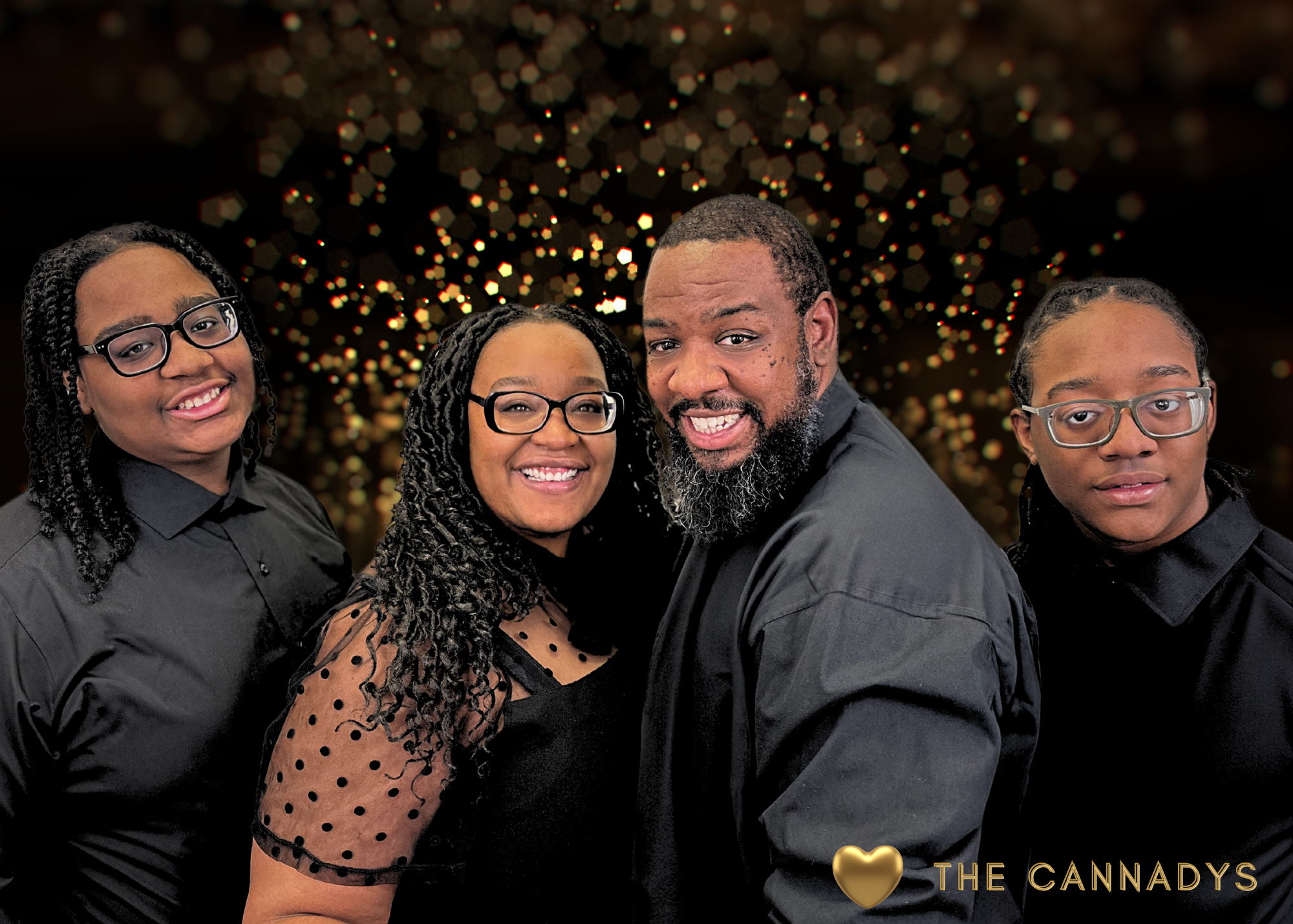
Hi, I’m Sharell! I’m an African American high-achieving woman, married to a neurodivergent African American man for nearly 20 years. I’m also a Licensed Clinical Mental Health Counselor in North Carolina and the CEO of Docked Ships. Through my professional journey and life experiences, I’ve gained valuable insights into the unique dynamics of high-achieving/neurodivergent relationships.
I’ve channeled this knowledge into The Root of Confusion™, a curriculum designed to address the social health and wellness needs of women like myself and their families. This curriculum blends research, real-life stories, and lessons from the incredible couples I’ve had the privilege of working with.
While The Root of Confusion™ is tailored to a very specific demographic, the strategies and insights shared also benefit a wider range of people, relationships, and help professionals.
#BeInJoyTogether
Sharell D. Cannady, CEO of Docked Ships


Responses